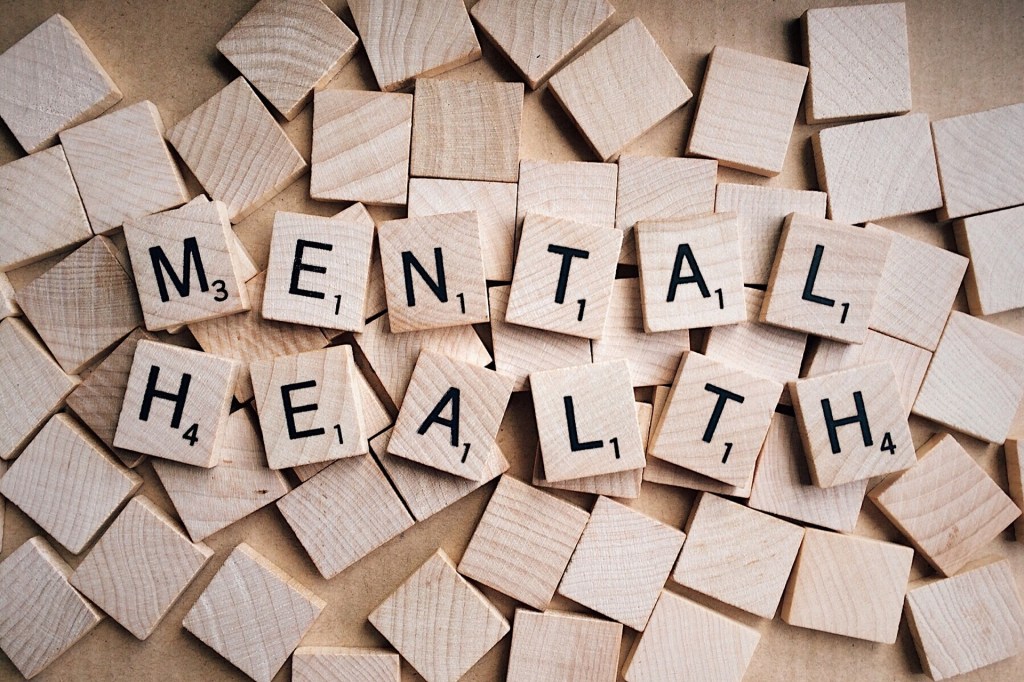
In Myanmar and Pakistan, mental health struggles are often met with silence, misunderstanding, and even shame. Both countries share cultural stigmas that make it difficult for people to speak openly about mental health issues. As global awareness around mental health increases, it’s becoming clear that addressing these issues is essential for overall well-being, productivity, and social stability. In recent years, there has been a growing recognition of mental health as a critical part of societal well-being, opening discussions in Myanmar and Pakistan about how deeply ingrained cultural beliefs influence perceptions of mental illness.
In both societies, mental health challenges are frequently perceived as personal failings rather than medical conditions that require empathy and support. In Pakistan, studies reveal that people who suffer from mental health conditions are often isolated, avoided, or dismissed, a reaction that can deepen feelings of shame and worsen symptoms. Similarly, in Myanmar, mental health resources are scarce, particularly in rural areas. This lack of access leaves many suffering in silence, often without even the basic understanding or support they need.The barriers to mental health treatment in both countries are also worsened by a severe shortage of mental health professionals. Pakistan, with a population exceeding 200 million, has fewer than 500 psychiatrists. Myanmar faces similar challenges, as mental health services are largely concentrated in urban centres, leaving rural communities underserved. In both countries, limited resources and access to professionals increase the burden on individuals, families, and communities.
The shared cultural values between the two countries play a significant role in shaping mental health attitudes. Both nations have a deep history shaped by British colonial rule, leading to early cultural exchanges and migration. Social values in both societies emphasise family, community reputation, and respect for tradition. These values are central to maintaining family honour and can add pressure to individuals facing mental health challenges to keep it hidden. As a result, mental health struggles are often seen as family matters to be handled privately, which can discourage people from seeking help or sharing their experiences.
To address these issues, a multi-pronged approach focused on education, policy reform, and grassroots support is crucial. Public awareness campaigns, driven by local NGOs, healthcare providers, and the media, can play a transformative role by educating people on the realities of mental health. This approach can help dismantle myths that surround mental illness and promote a view of mental health as a major part of overall health. In schools, universities, and workplaces, mental health workshops and training programs could help normalise discussions on mental health and provide essential resources to those who need them.
Another powerful step would be to incorporate mental health support into primary healthcare systems. In Pakistan, some community-based mental health programs have already achieved promising results by training healthcare workers to offer basic mental health care. Myanmar could adopt a similar approach, especially for rural areas where access to mental health professionals is limited. By empowering general healthcare providers to deliver mental health support, both countries can make mental health care more accessible, especially for those who live far from urban centres.
Community leaders, religious figures, and social influencers also have an important role to play. Their support can help shift public perception by providing reassurance that mental health challenges are not something to hide or fear. These respected figures, especially religious leaders, could use their influence to encourage openness and understanding around mental health, allowing people to seek help without the fear of social or familial backlash. By understanding and addressing these challenges, both countries can contribute to a future where mental health is not a source of shame but a shared responsibility.
Fatima Saeed Khan
Shifa tameer e Millat University
Islamabad, Pakistan
References:
- Karim, S., Saeed, K., Rana, M. H., Mubbashar, M. H., & Jenkins, R. (2004). Pakistan mental health country profile. International Review of Psychiatry, 16(1-2), 83–92. https://doi.org/10.1080/09540260310001635131
- Nguyen, A. J., Lee, C., Schojan, M., & Bolton, P. (2018). Mental health interventions in Myanmar: A review of the academic and gray literature. Global Mental Health, 5, e8. https://doi.org/10.1017/gmh.2017.30
- World Health Organization. (2018). Pakistan: Mental Health Atlas 2017. Retrieved from https://www.who.int/publications/i/item/9789241514019
 The Burman Newspaper
Leave a comment